
Engineered Components for Duct Bank and Trench Systems
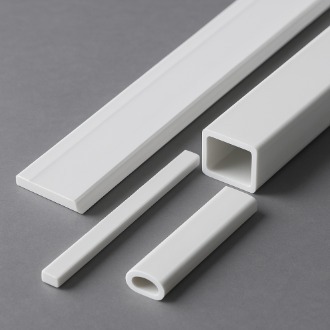
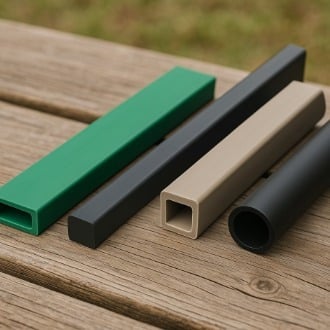
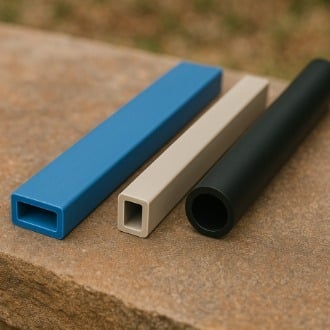
Engineered extrusion profiles are used in demanding underground environments where durability, corrosion resistance, and consistent performance are important. Materials such as PVC, CPVC, and thermoplastic alloys can be applied in duct bank and trench systems depending on project requirements.
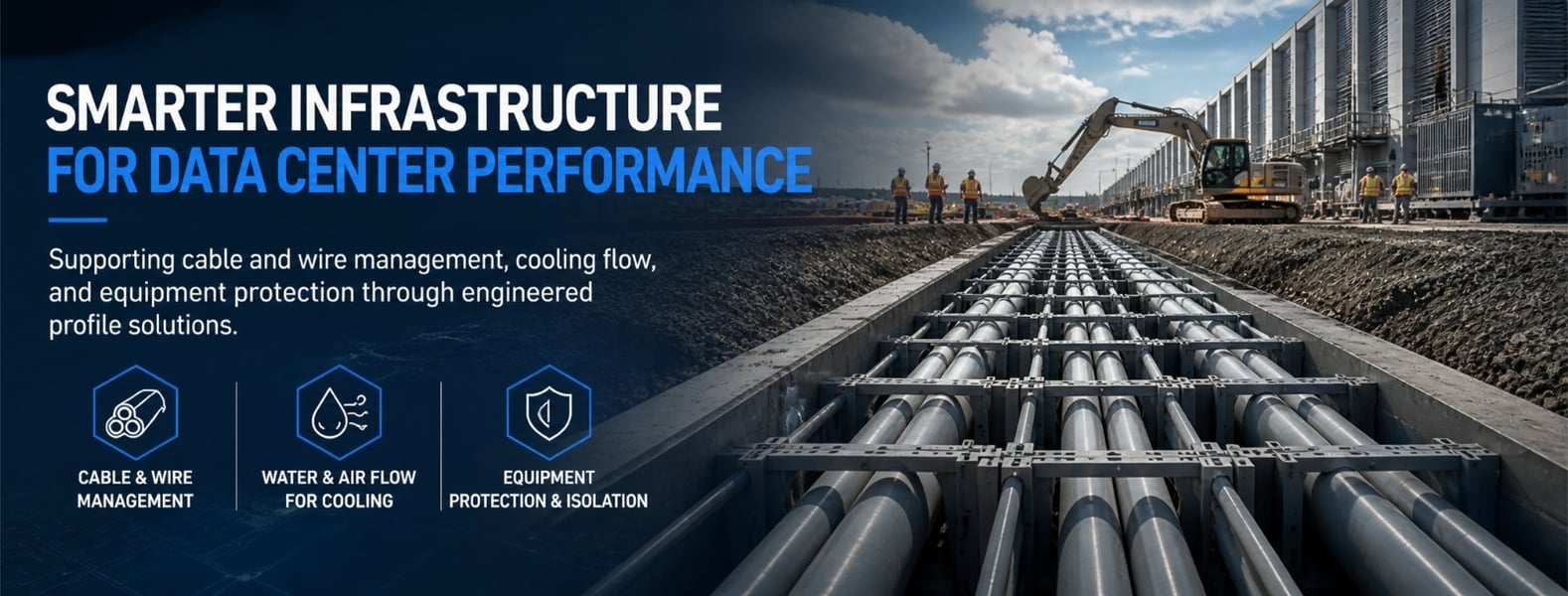
Applications may include structured conduit layouts, separation systems, and support components that help bring consistency to installation and long-term performance.
Where Plastics Make an Impact
Conduit Spacers and Separators
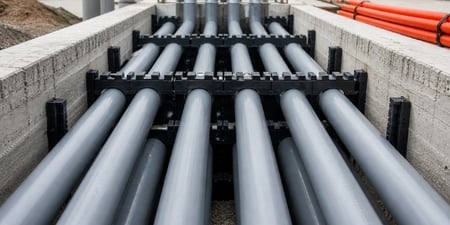
Engineered plastic spacers help maintain consistent conduit spacing within duct banks, supporting alignment and reducing variability during installation. Their corrosion-resistant construction allows for long-term performance in underground environments.
Cable Routing and Organization Channels
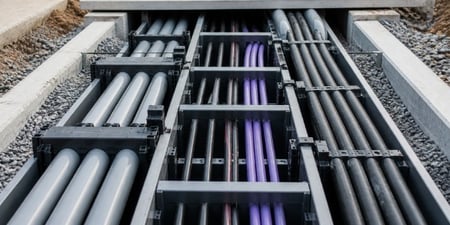
Extruded thermoplastic channels can be used to organize conduit and cable pathways within trench systems. Non-conductive and moisture-resistant, they help maintain structured layouts and protect system integrity over time.
Trench Liner and Barrier Components
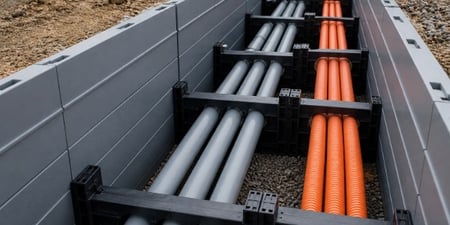
Plastic profile systems may be applied as liners or barriers within trench environments, helping separate systems and protect against soil movement, moisture, and environmental exposure.
Structural Support Profiles
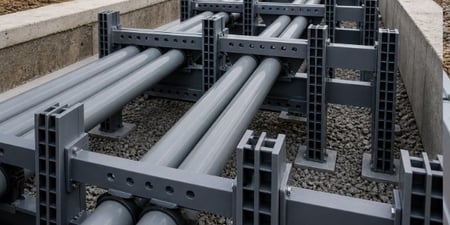
Rigid PVC or reinforced thermoplastic profiles can provide structural support within duct banks, helping maintain layout consistency and resist deformation under load.
Protective Covers and Enclosures
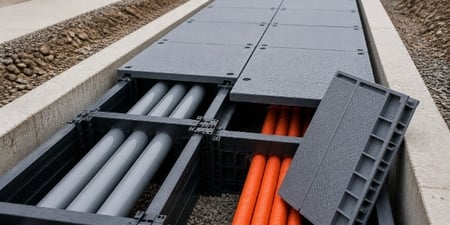
Extruded components can be used to shield conduit and cable systems from external damage during and after installation, supporting long-term durability and easier maintenance access.
Transition and Interface Components
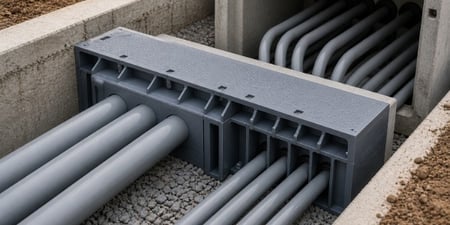
Custom profiles may be used where duct banks connect to equipment or other infrastructure systems, helping manage transitions while maintaining alignment and protection.

Columbus, OH 43207