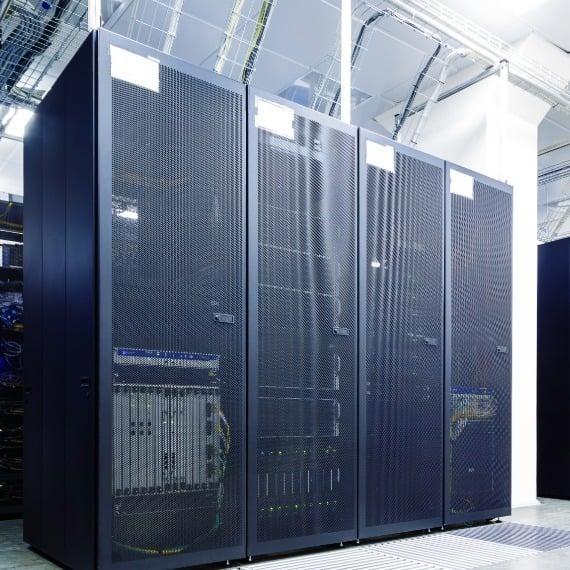
Engineered Components Built For Data Center Reliability
Where Plastics Make an Impact
Louvers and Air Inlet Panels
.jpeg?width=450&height=245&name=Louvers%20and%20Air%20Inlet%20Panels%20(1).jpeg)
Extruded PVC or CPVC louvers regulate airflow into the cooling tower while preventing water splash-out. Their lightweight, corrosion-resistant construction stands up to UV and moisture exposure, offering long-lasting performance and easy customization for any tower design.
Drift Eliminator Blades
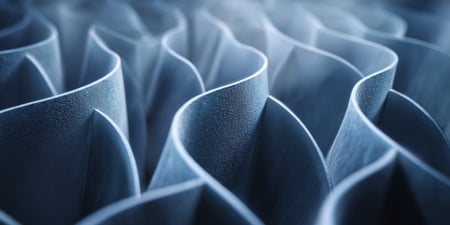
Made from durable PVC or polypropylene, drift eliminator blades capture and redirect water droplets before they escape into the atmosphere. These precisely engineered extrusions reduce water loss, protect surrounding equipment, and maintain efficiency in high-airflow environments.
Fill Media Supports & Spacers
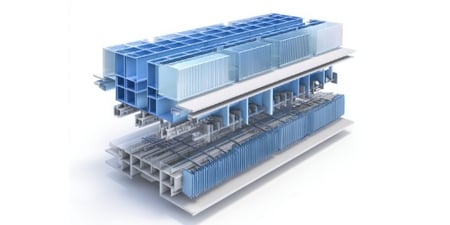
Rigid PVC or ABS supports and spacers provide the structural foundation that keeps fill media securely positioned for optimal heat exchange. Resistant to chemicals and microbial growth, these extrusions ensure reliable performance and consistent cooling efficiency over time.
Splash Bars & Film Fill Channels

Extruded PVC splash bars and film fill channels maximize surface area for heat transfer by evenly dispersing falling water. Designed for efficiency and easy replacement, they improve thermal performance while maintaining the tower’s overall durability and flow balance.
Framework & Channel Supports
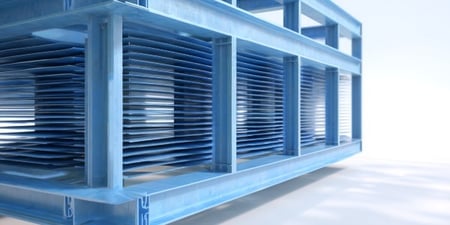
Structural thermoplastic alloys and fiber-reinforced PVC profiles form the backbone of modern cooling tower assemblies. These extruded channels deliver high rigidity without corrosion, reducing weight and simplifying installation while maintaining long-term strength and stability.
Piping Guides & Channel Supports
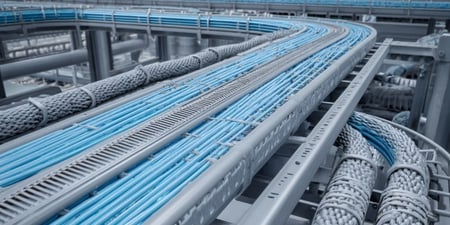
Extruded polypropylene or HDPE channels organize and protect critical piping and wiring within the tower. Non-conductive, moisture-resistant, and easy to fabricate, they keep systems neat, secure, and safe from environmental exposure.

Columbus, OH 43207