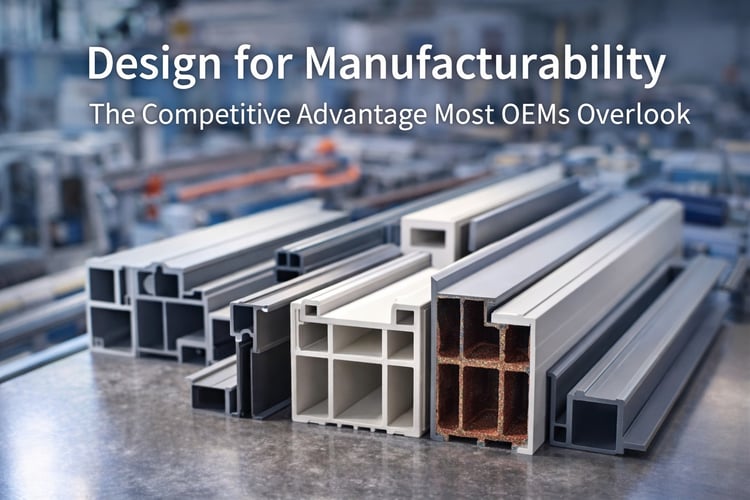

In today’s fast-moving OEM environment, performance, cost, and speed to market dominate development conversations. Yet one of the most powerful competitive advantages often receives far less executive focus: Design for Manufacturability. When manufacturability is not considered early, the impact does not appear in the design file. It surfaces later as launch delays, tooling revisions, scrap, margin erosion, and supply instability. For growth-focused leadership teams, Design for Manufacturability is not an engineering detail. It is a strategic decision that directly influences cost structure, scalability, and long-term competitiveness.
For many OEM leaders, product development moves fast.
Engineering validates performance.
Procurement negotiates cost.
Operations prepares for launch.
But one question often receives less executive attention than it deserves:
Was this product designed for manufacturability?
Because when it is not, the cost does not show up in the CAD file.
It shows up in delays, scrap, rework, inconsistent supply, and margin erosion.
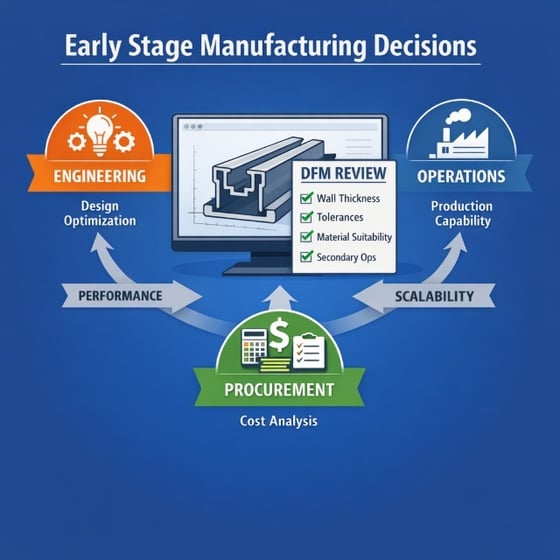
What Design for Manufacturing Really Means
Design for Manufacturability, or DFM, is not about simplifying a drawing.
It is about aligning product design with real world production capability from the start.
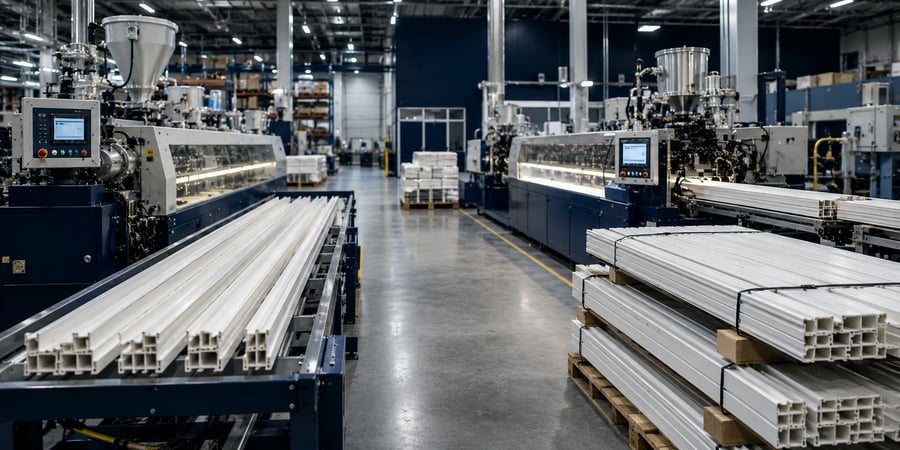
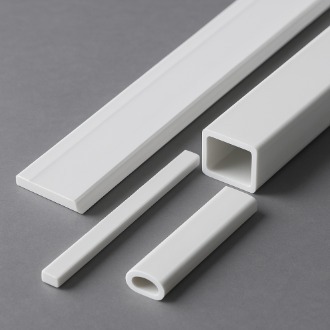
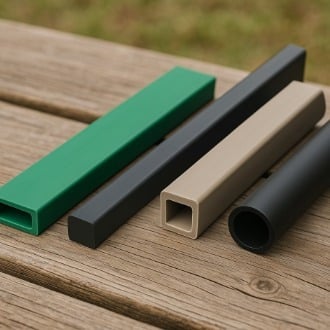
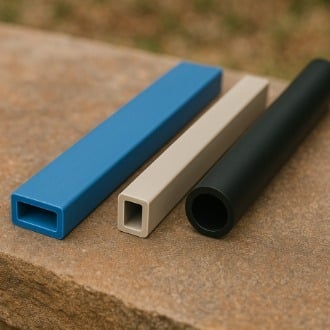
In custom extrusion, that includes:
- Wall thickness balance
- Profile geometry stability
- Tolerance realism
- Material behavior under heat and pressure
- Secondary operations requirements
A profile can look excellent in design review and still create downstream instability if manufacturing constraints were not considered early.
The Executive Impact of Ignoring DFM
When DFM is overlooked, the consequences land at the leadership level.
You see it in:
- Extended tooling adjustments
- Unplanned capital expenses
- Field performance inconsistencies
- Customer complaints
- Margin compression
These are not engineering inconveniences.
They are business risks.
For executive teams focused on growth and scale, manufacturability is not a technical detail. It is a strategic lever.
Where Strong OEM Programs Separate Themselves
High performing OEM organizations integrate manufacturing insight during early design stages.
Not after tooling is cut.
Not after production trials struggle.
Early collaboration allows teams to:
- Optimize geometry before it becomes expensive to change
- Align tolerances with real process capability
- Reduce long term scrap and waste
- Improve repeatability at scale
- Protect supply chain stability
This reduces launch volatility and protects brand reputation in the market.
The Real Advantage
The companies that win long-term are not the ones that design the most complex products.
They are the ones that design smart products.
Products engineered with full awareness of how they will be produced, scaled, and supported.
Design for Manufacturability is not about limiting innovation.
It is about ensuring innovation survives production.
For OEM decision makers, the question is simple:
Are we designing for performance only
Or are we designing for performance and production?
The difference shows up in cost, reliability, and competitive advantage